Breaking Down the Barriers to Meeting God as Our Father
Without doubt, one of the most common barriers I have come across that prevent people from encountering God as their Father is the pain and woundedness they experience through their earthly fathers (and other authority figures). Because those people have shaped our understanding of what a father looks like, it is difficult not to project that understanding onto God as we try to relate to Him as our Father. The great reformer Martin Luther encountered just such a problem:
“
I have difficulty in praying the Lord’s Prayer because whenever I say, ‘Our Father,’ I think of my own father who was hard, unyielding and relentless. I cannot help but think of God that way.”Even great dads are not perfect, and our unhealed hurts and wounds will prevent us from encountering the fullness of our Heavenly Father’s love. We easily project our painful experiences onto God because we have not yet been introduced to the Perfect Father.
In his book I Am Your Father: What Every Heart Needs to Know, Dr. Mark Stibbe lists seven classic projection scenarios: desertion, disease, detachment, death, distance, divorce, disappointment. When we project these experiences onto God the Father, we essentially build barriers to protect ourselves from experiencing that pain again. Unfortunately these barriers prevent us from coming into the perfect love of the Perfect Father. They can become strongholds (or entrenched beliefs) that are based on a lie we believe about God. For example, a child who is deserted by a father through events such as divorce, long distance work or even untimely death, can believe the lie that Father God will not be there for them and that He will desert them in their time of need. Why? Because that has been their very real but broken experience of their earthly father.
Whilst we can repent from believing lies about God, ultimately transformation can only occur when we receive a revelation of the truth about God to replace the lie. The Holy Spirit leads us into all truth (John 16:13). In the example of desertion, Jesus promised that He would never leave us or forsake us, and furthermore the Father has sealed us as His by depositing Holy Spirit in us. He never abandons us.
Our orphan-hearted condition (i.e. the brokenness we experience because of these “father wounds”) is not something that we “cast out,” but rather something that needs to be loved into wholeness. How can we experience this love? By coming to Jesus, who said that He was the way to the Father. At the cross we bring our pain and brokenness, our separation and shame, and allow Jesus to exchange it for His healing, His righteousness and His identity as a beloved Son (click here to read more on our covenant identity).
At the cross we choose to release forgiveness to those who have hurt us. Why? Because at the cross Jesus paid the price for their sin, too. When we hold onto unforgiveness towards people, we are essentially saying that we do not trust Jesus to be a just and merciful Judge; rather we presume to take that role upon ourselves. The Bible tells us that only Jesus has been found worthy to be the Judge (Rev. 5:12). Releasing forgiveness is our way of making that confession!
Let me leave you with this exercise:
When you hear the word “father,” how does it make you feel? Where did you learn to associate that feeling with the word “father”? Ask the Holy Spirit to show you if you are projecting any false understanding of “father” onto God, the True Father. Ask the Holy Spirit if there is anyone he wants you to forgive for contributing to this false understanding, and then ask Him to show you the truth about the kind of Father that God really is.
Ask the Spirit to reveal the Father’s love to you.
You can follow me on Twitter @mattjamd!
-

SSM May Worship Nights
Encounter the glory of God with the HRock School of Supernatural Ministry in the month of May! Free and open to everyone! -
Crown City Healing Center
Excited about supernatural healing? Announcing the Crown City Healing Center on May 2nd! -
New Members Class
Is the Lord leading you to call HRock your church home? Join us in May and become a member! -

Mens Rock Gathering
A time of fellowship for the men of HRock at Coco's bakery – Saturday, May 2 -

Resurrected Life Ministries
New class beginning: inner healing discipleship to heal and restore identity in relationship with God – Monday, May 4 -

WLI: Purifying the Prophetic
There is nothing more powerful than releasing the Father's heart through prophecy! Join David and Jeanie Richardson - Thursday, May 14 -

HRock School of Supernatural Ministry
Now taking applications! Apply by June 1 for a $250 discount on tuition -

Life After Divorce Group
Journey into a new place of emotional wholeness that only God can give – Thursday, June 18th -
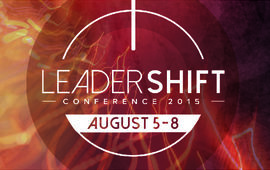
LeaderSHIFT Conference
The Lord is calling you higher—into your own unique calling. August 5-8, 2015. Register now!