Recognizing Your Brand
Our influence as leaders closely relates to how others perceive us. We may possess excellent vision. We may speak inspiring words. We may possess incredible problem-solving skills.
But it means nothing if the people around us perceive us as ineffective or as simply not the right person for the task at hand. Perceptions matter because how people perceive us leads to how they treat us.
In an example from the New Testament, the apostle Paul had to overcome his reputation as Saul, a persecutor of Christians, before he could become an effective missionary. As part of Saul’s first encounter with God, he was blinded. The Lord asked a disciple named Ananias to visit Saul and heal him.
I don’t know about you, but if the Lord appeared to me in a vision and gave me an instruction, I don’t think I’d question it. When the Lord appeared to Ananias in Acts 9 and told him to heal Saul of his blindness, Ananias’ perception of Saul (“Lord, I have heard by many of this man, how much evil he hath done to thy saints at Jerusalem”) caused him to question the Lord’s instruction. Ananias basically asked God, “Are you sure?”
Stated simply, how people perceive us dictates how they treat us.
This concept seems so obvious, yet we seem to behave in ways that indicate we underappreciate it. Sometimes we behave as if our inspiring words will have more influence on people than our actions. Not so. Our half-hearted efforts in support of a vision will speak more loudly than our glowing words of support for that vision. Then we wonder why those around us are not enthusiastically pursuing the vision.
Corporations understand the power of perception. A pizza company wanted to change its identity from a company specializing in delivery to one that specializes in food. This meant changing its perception as a place to get pizza fast to a place to get good pizza. In other words, it changed its branding. According to one marketing strategist, branding “says ‘This is what I am. This is why I exist. If you agree, if you like me, you can buy me, support me.’”
As leaders, we have a leadership brand whether we know it or not.
Next, we will combine our previous two topics—understanding how our identity impacts our leadership and recognizing that how we are perceived impacts our leadership—to discuss this unique concept.
-

SSM May Worship Nights
Encounter the glory of God with the HRock School of Supernatural Ministry in the month of May! Free and open to everyone! -

Crown City Healing Center
Excited about supernatural healing? Announcing the Crown City Healing Center on May 2nd! -

New Members Class
Is the Lord leading you to call HRock your church home? Join us in May and become a member! -

Mens Rock Gathering
A time of fellowship for the men of HRock at Coco's bakery – Saturday, May 2 -

Resurrected Life Ministries
New class beginning: inner healing discipleship to heal and restore identity in relationship with God – Monday, May 4 -

WLI: Purifying the Prophetic
There is nothing more powerful than releasing the Father's heart through prophecy! Join David and Jeanie Richardson - Thursday, May 14 -

HRock School of Supernatural Ministry
Now taking applications! Apply by June 1 for a $250 discount on tuition -

Life After Divorce Group
Journey into a new place of emotional wholeness that only God can give – Thursday, June 18th -
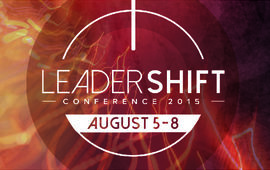
LeaderSHIFT Conference
The Lord is calling you higher—into your own unique calling. August 5-8, 2015. Register now!